
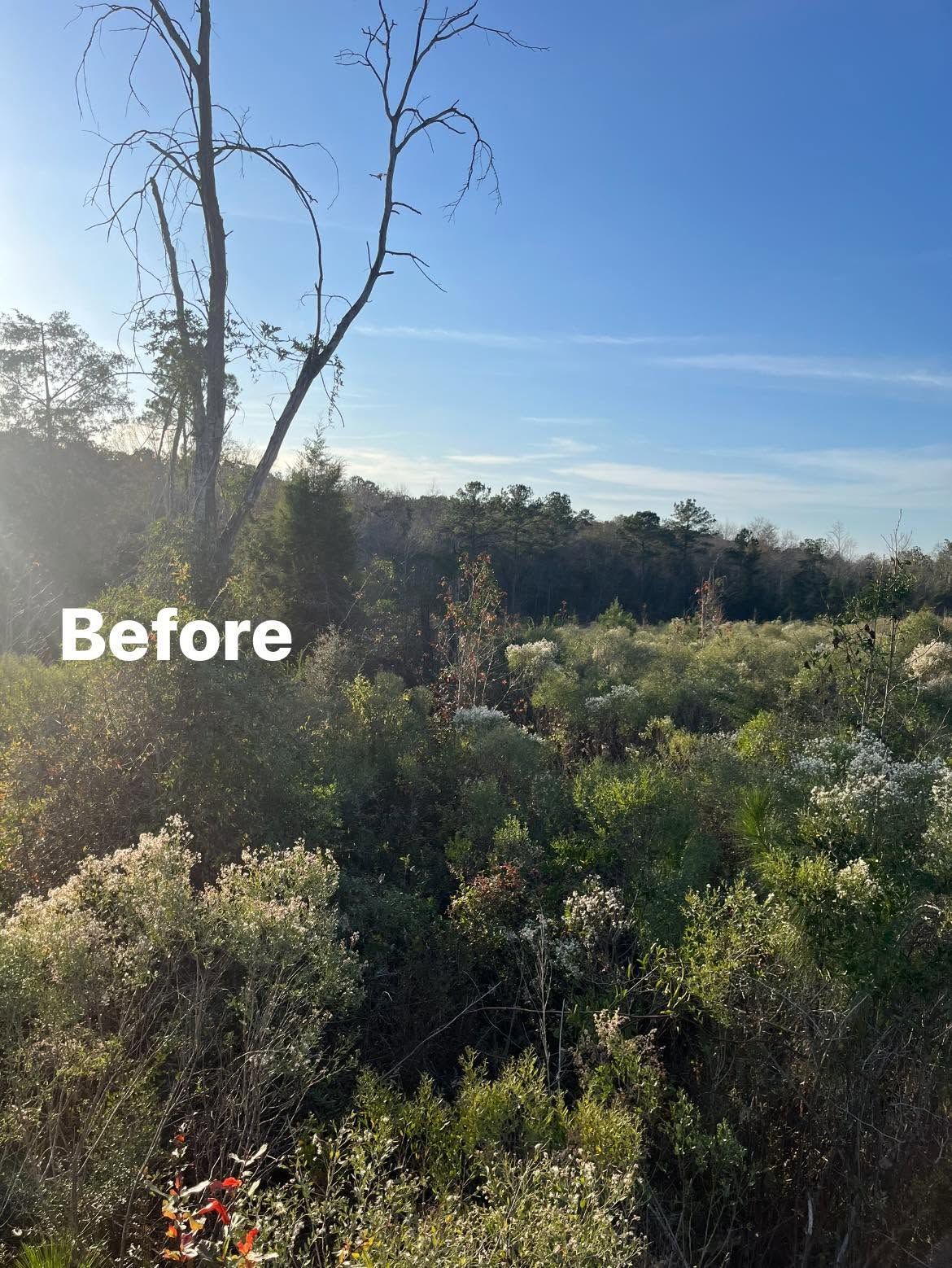
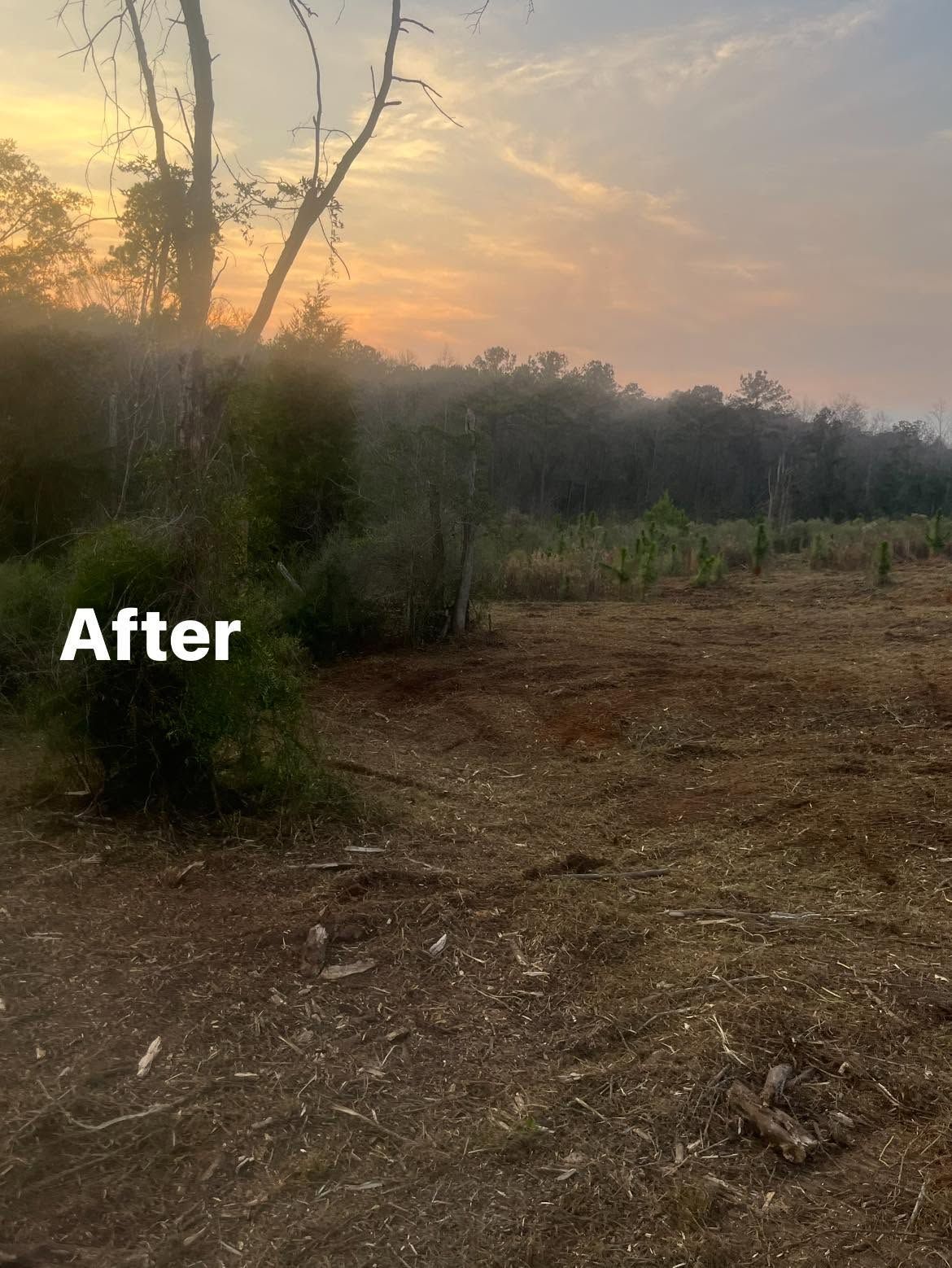
Landscapes That Meet Professional Standards
Commercial Tree Services in Chancellor for offices, retail centers, and apartment communities requiring maintained curb appeal
Retail parking lots fill with leaf debris during fall months, blocking storm drains and creating slip hazards near entryways where customers form first impressions of your business. Top Shelf Tree Services provides commercial tree care in Chancellor, Daleville, Hartford, and surrounding areas for property managers addressing liability concerns, appearance standards, and accessibility requirements across office parks, industrial sites, and multi-family housing. Your tenants and visitors notice when branches obstruct signage, roots buckle walkways, or storm damage remains unaddressed for weeks.
Scheduled maintenance involves trimming that clears sight lines for security cameras and parking lot lighting, removal of trees interfering with utility access or loading dock operations, and debris management coordinated with your waste collection schedule. Projects execute during off-hours to avoid disrupting customer traffic or blocking delivery routes during peak business periods.
Arrange an on-site consultation to review maintenance standards specific to your property type.
How Commercial Projects Address Multiple Properties
Your service agreement covers routine trimming cycles that prevent branches from reaching power lines or rubbing against building facades, proactive removal of declining trees before they become emergency hazards, and rapid response to storm events that damage canopies or topple specimens across access roads. Crews stage equipment in designated areas to maintain fire lane access and preserve striped parking zones required by occupancy permits.
After scheduled visits, property walkways remain clear of overhanging growth, parking areas receive consistent shade without gutters clogged by seed dispersal, and landscape beds maintain intentional plant spacing rather than crowding from unchecked root expansion. Signage remains visible from street approaches, outdoor lighting functions without canopy interference, and tenant complaints about blocked windows or patio encroachment decrease significantly.
Larger commercial contracts include documentation photographs showing completed work, which facility managers use for insurance compliance reviews and corporate property standards audits. Single-property needs receive the same equipment access and cleanup protocols as multi-site agreements, with billing structured to match your accounting schedules rather than requiring immediate payment.
Common Questions About This Service
Business owners and facility operators frequently ask about logistics before committing to commercial tree care contracts, especially regarding how work integrates with existing property operations.
Top Shelf Tree Services provides documentation required for property management reports and insurance filings following each completed project. Contact our office to discuss maintenance agreements tailored to your specific property portfolio throughout the Chancellor area.
What distinguishes commercial tree work from residential services?
Commercial projects require coordination with multiple stakeholders including property owners, management companies, and tenants, plus stricter scheduling to avoid business interruptions and compliance with accessibility standards during active work hours.
How do crews minimize disruption to daily operations?
Work schedules align with your lowest-traffic periods, equipment positions to maintain emergency vehicle access, and advance notices go to affected tenants before noisy operations begin.
When does routine trimming prevent emergency calls?
Annual or biannual maintenance removes weak branches before storm seasons, identifies declining trees while removal remains straightforward, and keeps canopies clear of structures where wind-driven contact causes progressive damage.
What liability risks do unmaintained trees create?
Branches falling on vehicles or pedestrians, roots creating ADA-noncompliant walkway conditions, and obstructed sightlines contributing to parking lot incidents all generate exposure that regular maintenance mitigates.
Why do apartment communities need specialized tree care?
Multi-family properties face resident complaints about blocked views and patio debris, plus liability from playground areas and common spaces where falling limbs create hazards affecting dozens of tenants simultaneously.